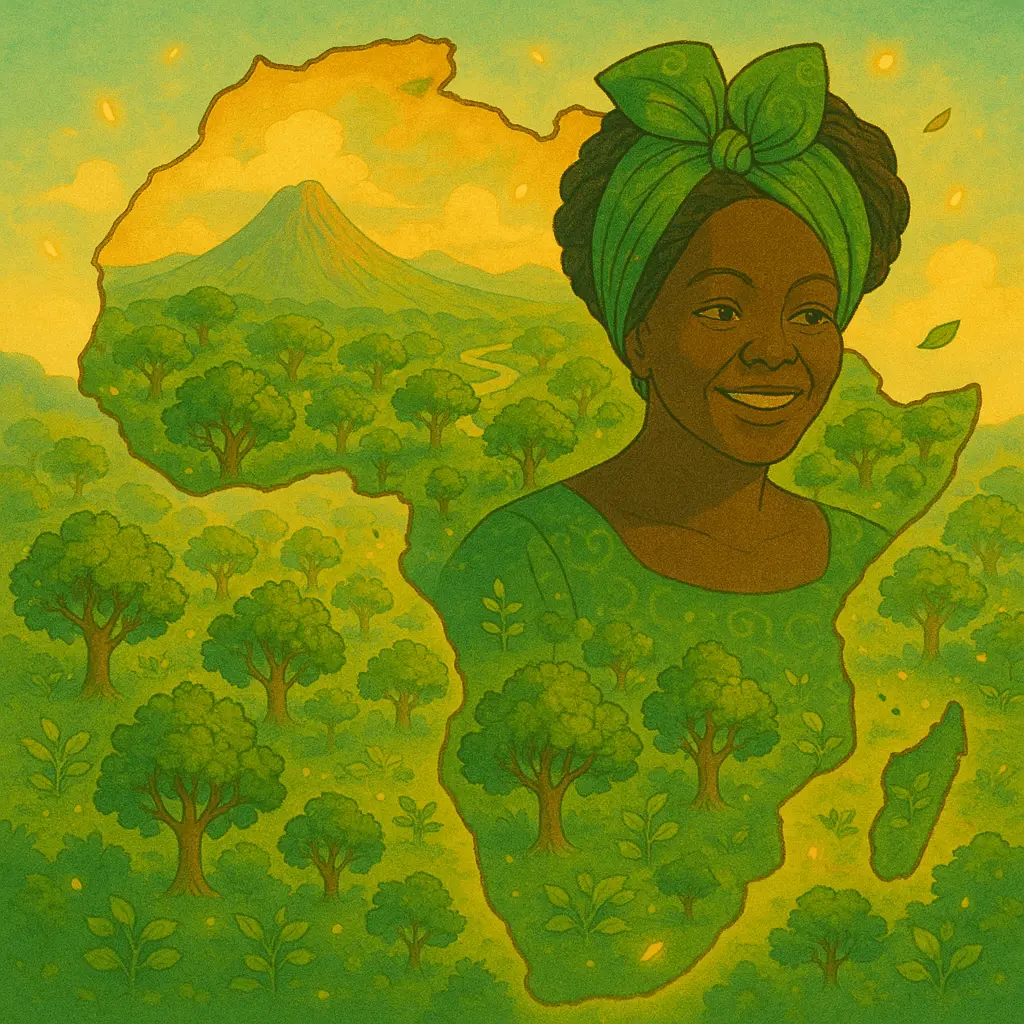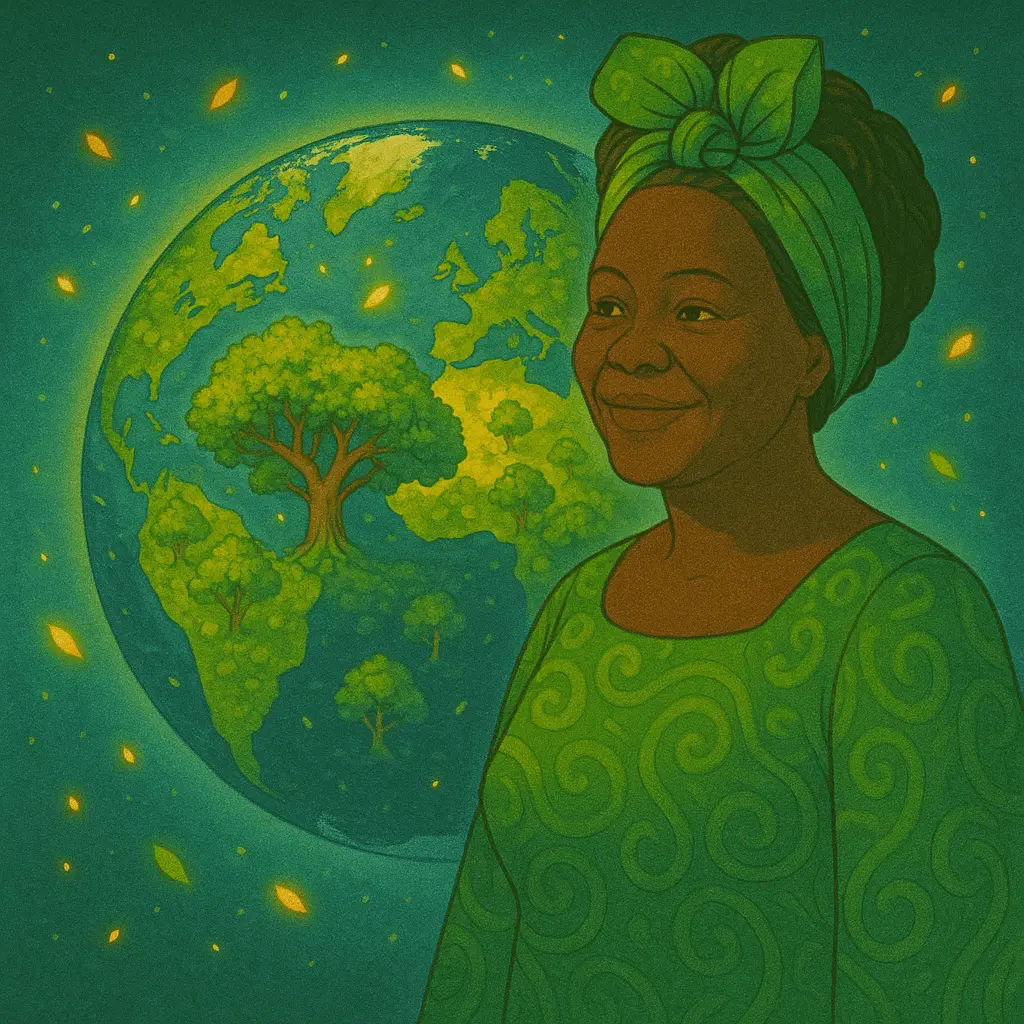
Wangari Maathai Seeds of Change

The story of one woman who planted hope, grew a movement, and changed the world

Scroll to begin

Who Was Wangari Maathai?

Wangari Maathai was a Kenyan environmental activist who founded the Green Belt Movement in 1977 and became the first African woman to win the Nobel Peace Prize in 2004. A pioneer of sustainable development, she mobilized communities to plant over 51 million trees across Africa while advocating for democracy, women's rights, and environmental justice.

Born April 1, 1940 in Nyeri, Kenya
Died September 25, 2011 in Nairobi, Kenya
Known For Founding the Green Belt Movement, Nobel Peace Prize 2004
Legacy Over 51 million trees planted, empowered thousands of women
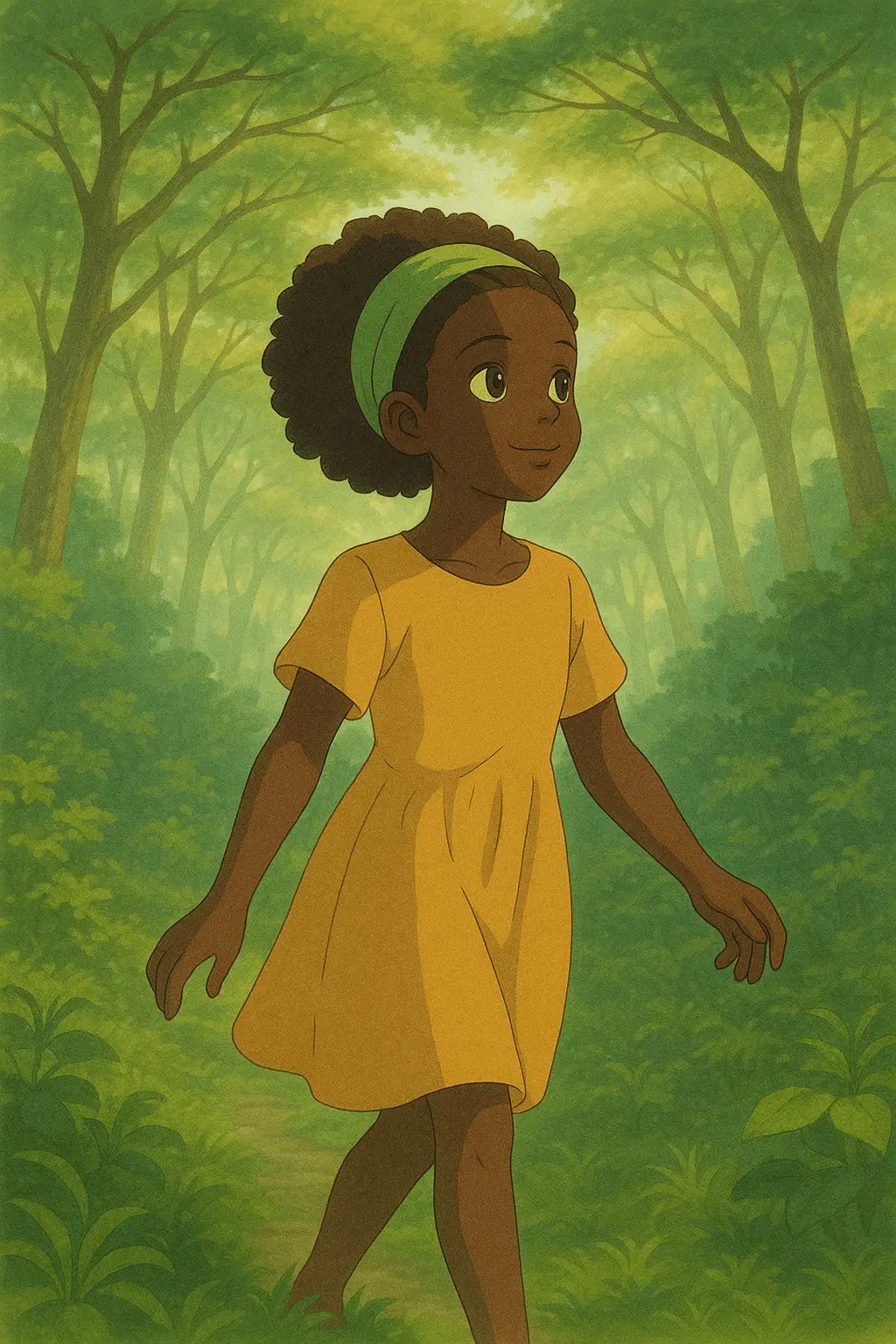
Young Wangari in the forest
Kenya, 1940s
Chapter I

Born Among the Trees

In the highlands of Nyeri, Kenya, a young girl named Wangari Muta was born in 1940. She grew up surrounded by the lush forests and fertile lands of her homeland, developing a deep connection with nature that would define her life's work.

The forests were her playground, her teacher, and her inspiration. She learned from her mother the sacred relationship between the land and her people, a bond that nourished both body and spirit.

Chapter II

Eyes Opening

As a teenager, Wangari witnessed the beginning of change in her beloved Kenya. The forests she cherished were slowly disappearing, replaced by farms and development. But within her, seeds of determination were taking root.

She was among the few girls given the opportunity for education, a privilege that would equip her with the tools to fight for her homeland's future.

Teen Wangari in forest
Teen years in the Kenyan highlands
Wangari studying in USA
United States, 1960s
Chapter III

Journey to Knowledge

In 1960, Wangari seized an opportunity that would change her life forever. She traveled to the United States to pursue higher education, earning degrees in biology and eventually becoming the first woman in East and Central Africa to earn a doctorate degree.

But even as she mastered Western science, her heart remained with the forests of home, and she dreamed of returning to heal her wounded land.

Chapter IV

Planting the First Seed

Returning to Kenya, Wangari was heartbroken. The forests of her childhood were vanishing. Women walked farther each day for firewood and clean water. The soil was eroding. The land was crying out for help.

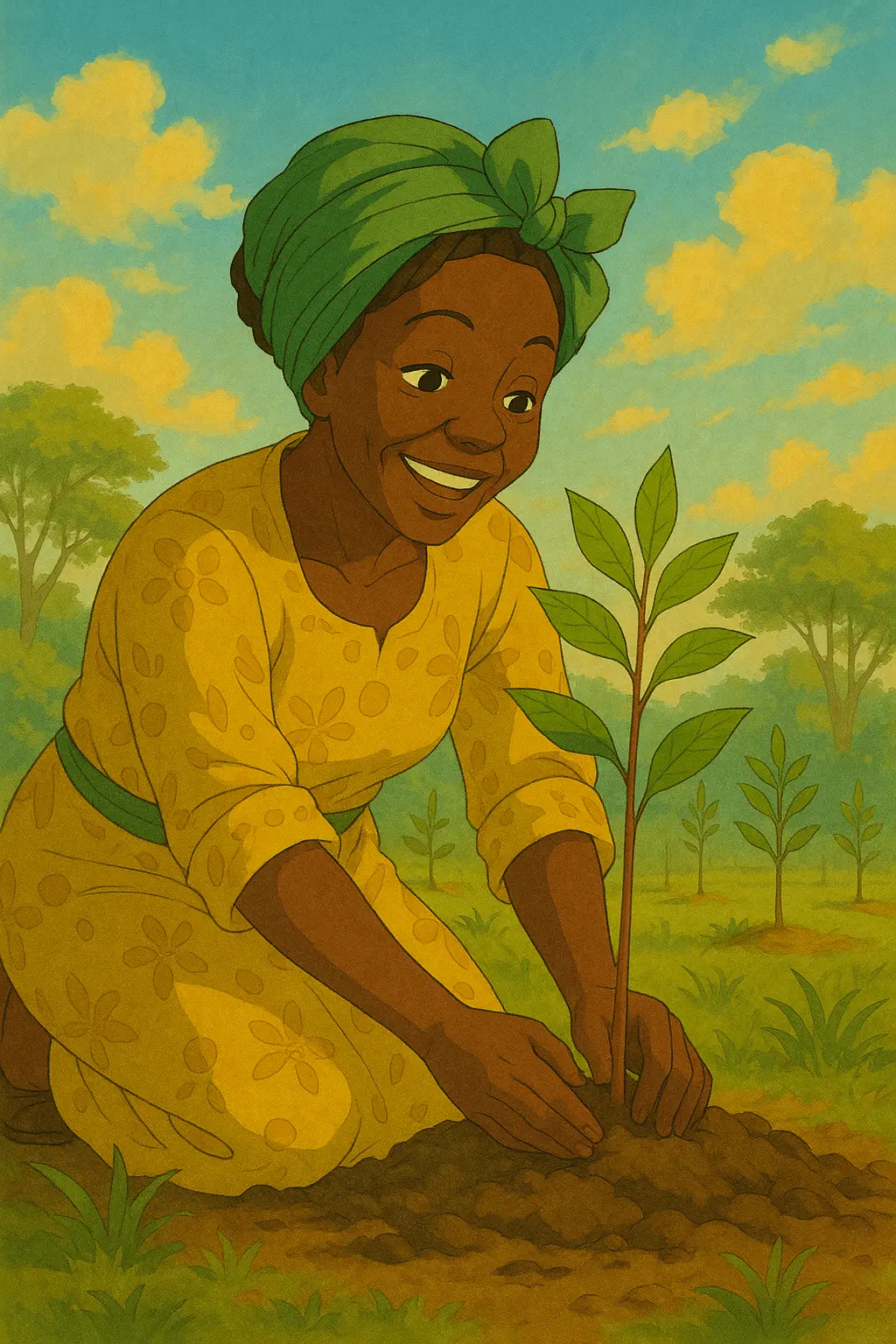
On World Environment Day in 1977, she did something simple yet revolutionary: she planted seven trees. It was a small act, but it was the beginning of a movement that would plant over 51 million trees across Kenya.

Wangari planting trees alone
The first seeds of change, 1977
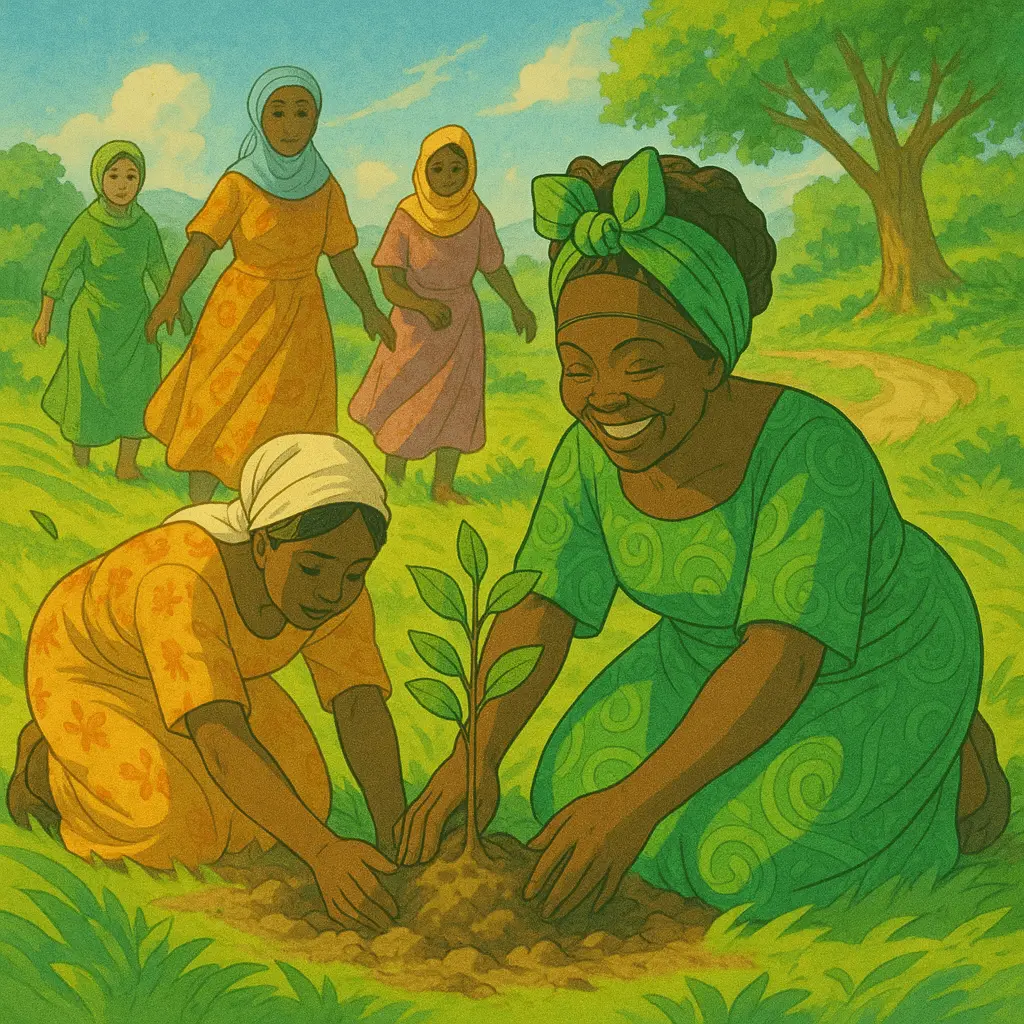
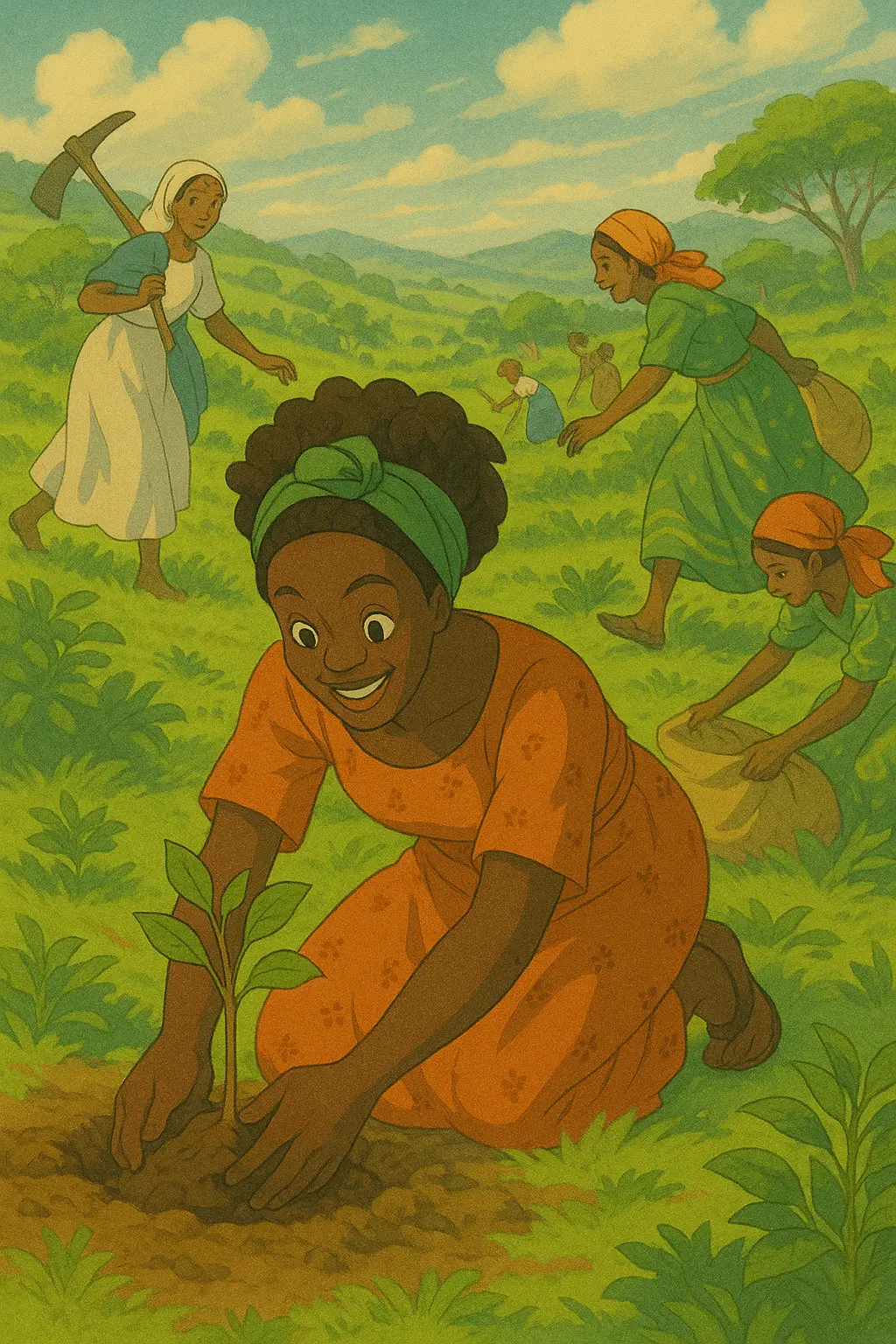
Wangari planting trees with others
The Green Belt Movement begins
Chapter V

Roots Spreading

Word spread. Women joined her cause. What started as seven trees became thousands, then millions. The Green Belt Movement was born, empowering rural women to plant trees, protect the environment, and improve their livelihoods.

Each tree planted was an act of resistance against environmental degradation, poverty, and oppression. Each tree was a symbol of hope.

Chapter VI

Teaching the Next Generation

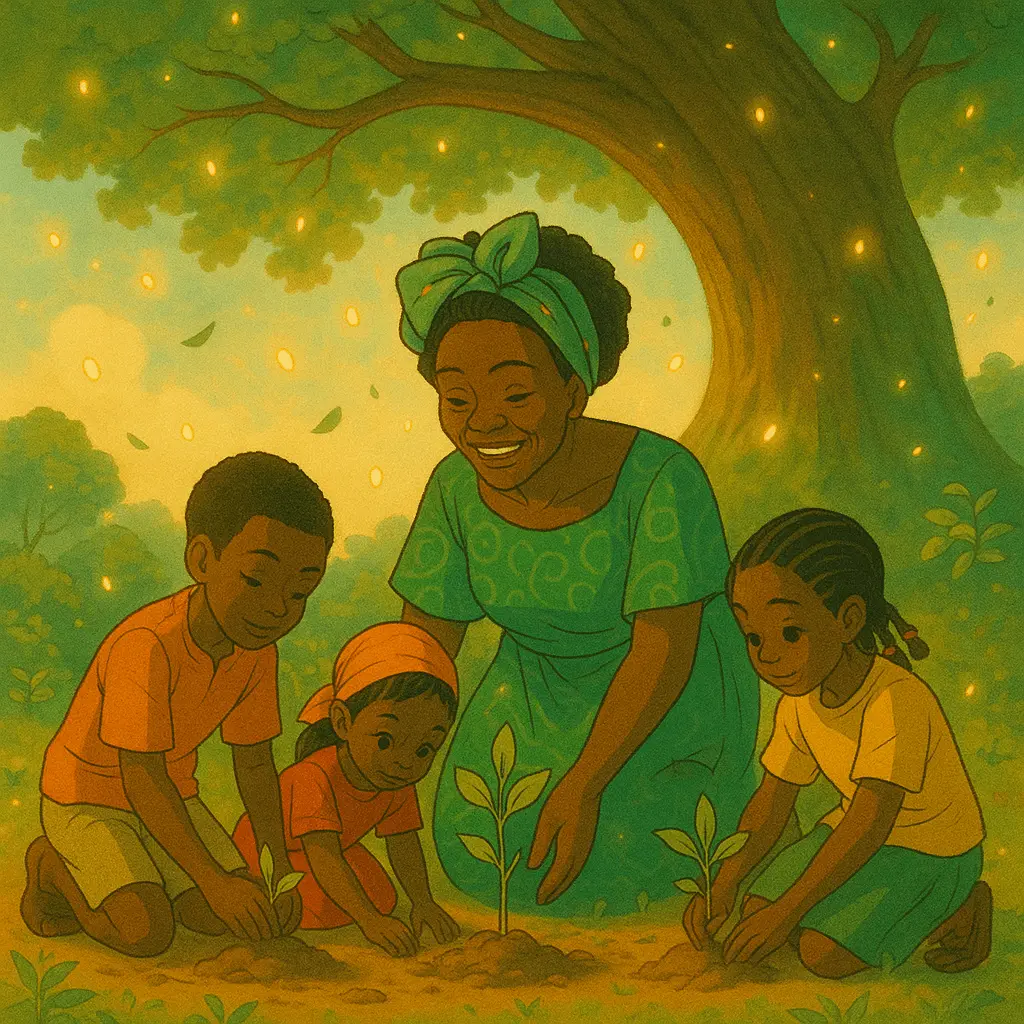
Wangari understood that lasting change required education. She taught children to plant and care for trees, instilling in them a sense of environmental stewardship and responsibility.

"We owe it to our children to leave them a world that is healthy and beautiful," she would say, as small hands pressed seeds into the rich African soil.

Wangari teaching children
Passing knowledge to future generations
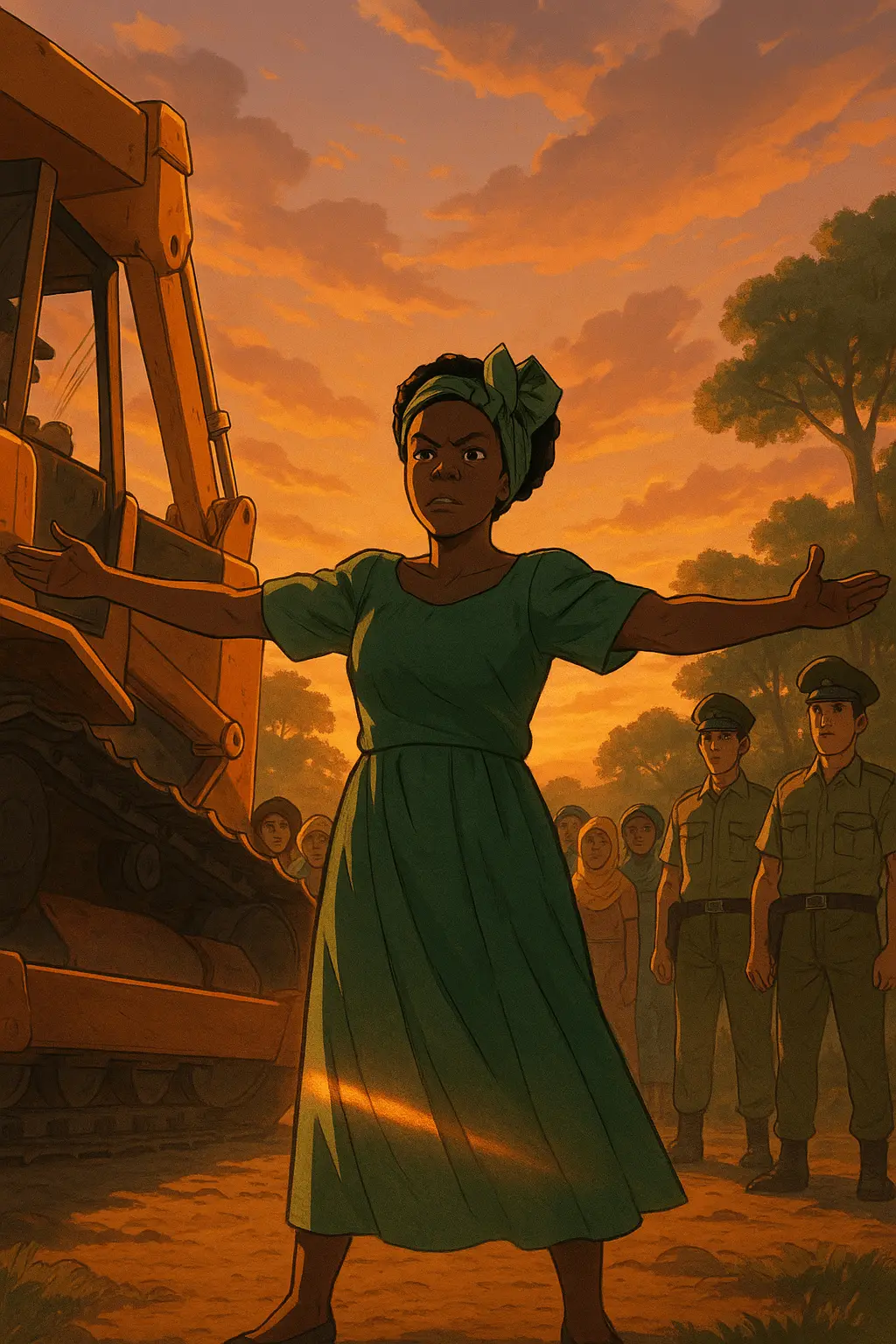
Wangari protesting tree demolition
Standing against destruction
Chapter VII

Standing Firm

Her activism made her enemies among the powerful. When developers threatened to demolish forests for commercial buildings, Wangari stood in their way. She organized protests, mobilized communities, and refused to be silenced.

"I will not keep quiet," she declared. "When we plant trees, we plant the seeds of peace and hope."

Chapter VIII

Growing Resistance

Wangari's courage inspired others. Friends and supporters joined her in planting trees as acts of peaceful protest. Each tree planted in defiance was a statement: the forests belong to the people, not to developers and politicians.

Together, they formed a living barrier between greed and nature, their shovels their weapons, their saplings their shields.

Protest planting with friends
United in peaceful resistance
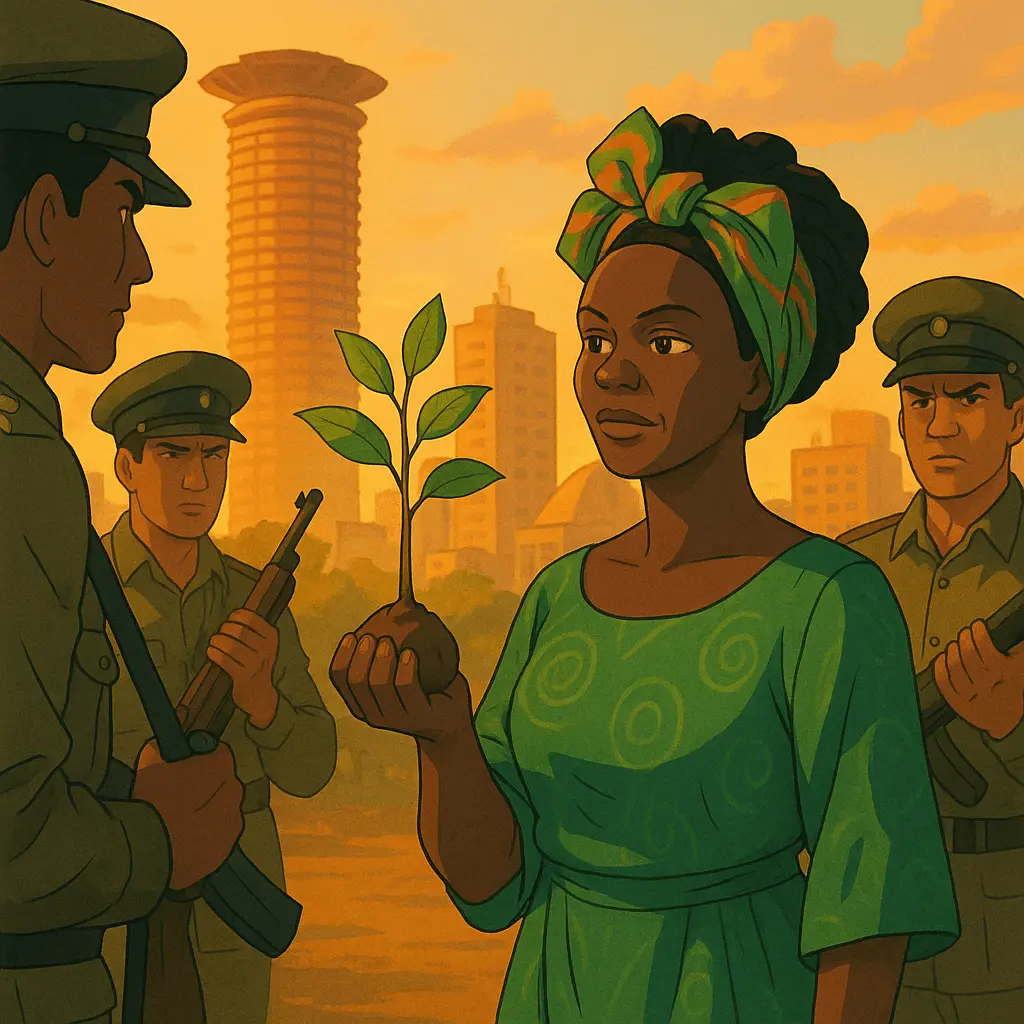
Wangari confronting police
Facing authority with courage
Chapter IX

Unyielding Spirit

The authorities tried to intimidate her. Police came to break up her protests. But Wangari did not back down. She stood face to face with those who would silence her, armed only with her convictions and her unwavering commitment to justice.

"They can beat me, they can arrest me, but they cannot kill the spirit of the forest," she told her supporters.

Chapter X

Tested by Fire

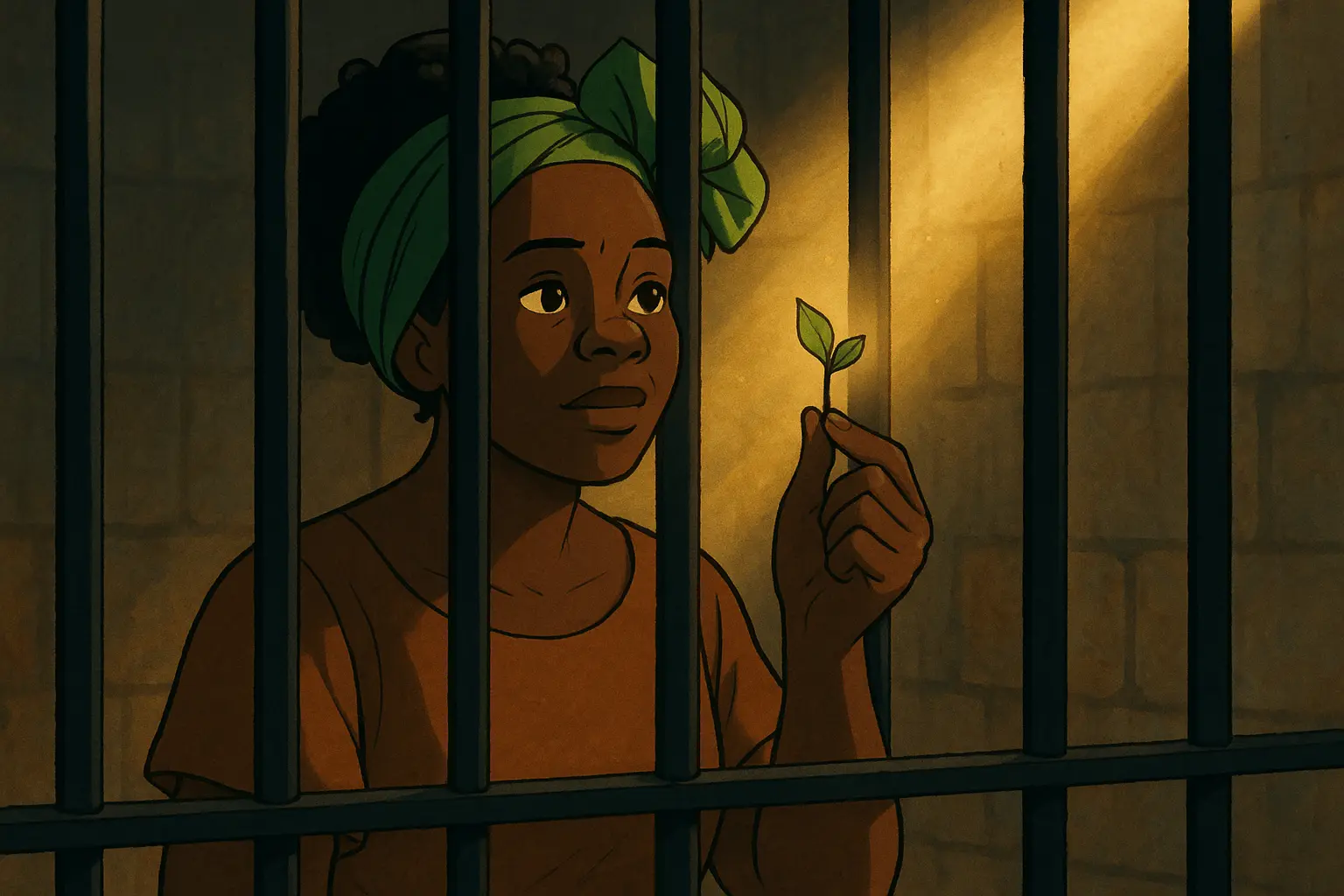
Her defiance came at a cost. Wangari was arrested and imprisoned multiple times. She endured beatings and harassment. The government labeled her a troublemaker, a threat to development and progress.

But prison bars could not contain her vision. Even from her cell, the seeds she had planted continued to grow, spreading across Kenya and beyond.

Wangari in jail
Imprisoned but not defeated
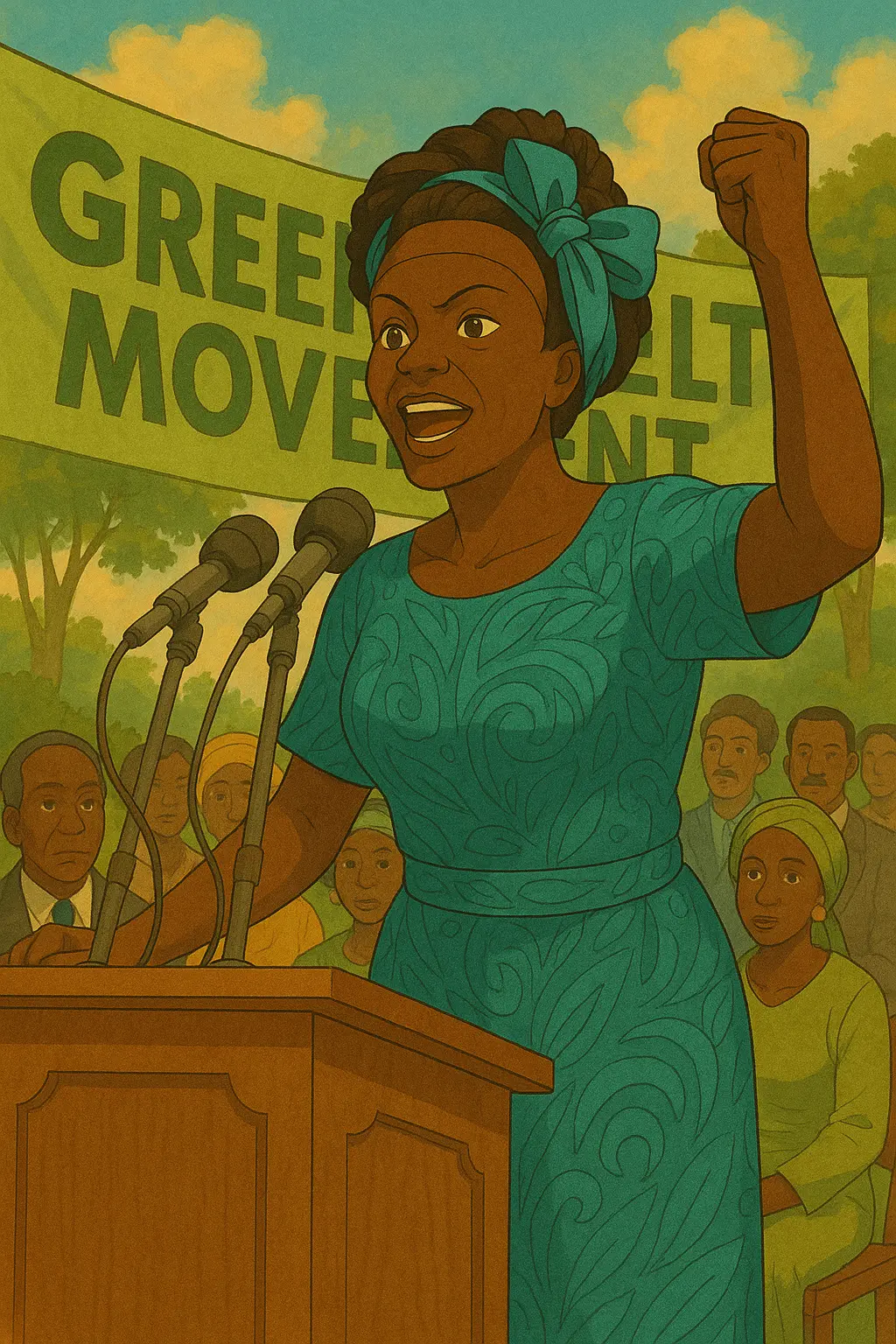
Green Belt Movement advocacy
Building a grassroots movement
Chapter XI

A Movement Flourishes

The Green Belt Movement grew into a powerful force for change. It created jobs for thousands of women, restored degraded lands, and gave voice to the voiceless. Wangari showed the world that environmental protection and human rights were inseparable.

"The environment and the economy are really both two sides of the same coin," she taught. "If we sustain the environment, we sustain ourselves."

Chapter XII

Voice of Africa

Wangari's work caught the attention of the world. She was invited to speak at the United Nations, sharing Kenya's story and calling for global action on environmental conservation and women's rights.

From the villages of Kenya to the halls of the UN, her message resonated: we all share one Earth, and protecting it is our collective responsibility.

Wangari speaking at UN
Addressing the United Nations
Wangari receiving Nobel Prize
Oslo, 2004
Chapter XIII

Nobel Laureate

In 2004, Wangari Maathai became the first African woman to receive the Nobel Peace Prize. The Nobel Committee recognized her "holistic approach to sustainable development that embraces democracy, human rights and women's rights in particular."

Standing in Oslo, she accepted the prize not for herself, but for all the women who had planted trees, for all the forests saved, and for the hope that humanity could still choose a better path.

Chapter XIV

Greening the Continent

The Green Belt Movement spread across Africa. From Kenya to Tanzania, Ethiopia to Malawi, communities embraced Wangari's vision. Millions of trees transformed landscapes, restored watersheds, and provided livelihoods.

The barren hillsides of her youth were once again covered in green. Rivers ran clearer. Women no longer walked miles for firewood. The land was healing, and so were its people.

Impact across Africa
Transforming Africa's landscape
Global impact
Inspiring the world
Chapter XV

A Global Legacy

Wangari's influence reached every corner of the globe. She inspired environmental movements on every continent, proving that grassroots action could create transformative change. Her message of environmental stewardship, democracy, and peace resonated across cultures and borders.

"We are called to assist the Earth to heal her wounds," she said, "and in the process heal our own."

Chapter XVI

Spirit of the Forest

When Wangari Maathai passed away in 2011, the world mourned the loss of a giant. But her spirit lives on in every tree planted, in every forest protected, in every person who refuses to stay silent in the face of injustice.

She taught us that one person, armed with determination and love for the Earth, can change the world. Her legacy is written in the leaves of 51 million trees and in the hearts of millions she inspired.

Spirit of the forest
An eternal presence in nature
Youth celebrating Wangari
The torch passes to new hands
Chapter XVII

Seeds for Tomorrow

Today, young people across the world carry Wangari's torch. They plant trees, they protest climate injustice, they demand a livable future. They are the seeds she planted, now growing into mighty oaks.

Her story reminds us that the time to act is always now, that our individual actions matter, and that when we work together, we can create a world where both people and nature thrive.

"In the course of history, there comes a time when humanity is called to shift to a new level of consciousness, to reach a higher moral ground. A time when we have to shed our fear and give hope to each other. That time is now."

— Wangari Maathai

Plant Your Own Seed

Wangari Maathai's story shows us that change begins with a single action. What seed will you plant today?

51M+
Trees Planted
1st
African Woman Nobel Laureate
Lives Inspired
Explore Research & Resources